
Healthy Home: The Complete Guide to Creating a Healthier Living Environment
What Is a Healthy Home?
A healthy home is more than a beautiful place to live—it's an environment intentionally designed to support your physical health, mental well-being, and overall quality of life. Every day, your home influences the air you breathe, the water you drink, the surfaces you touch, and even the quality of your sleep. When these systems work together, your home becomes a place that promotes wellness rather than contributing to unnecessary environmental exposures.
Modern homeowners are becoming increasingly aware that factors like indoor air quality, moisture control, ventilation, building materials, lighting, and water quality all play an important role in creating a healthier indoor environment. A truly healthy home isn't defined by one product or feature. Instead, it's the result of thoughtful design, quality construction, ongoing maintenance, and smart lifestyle choices that work together to reduce pollutants, improve comfort, and support long-term health.
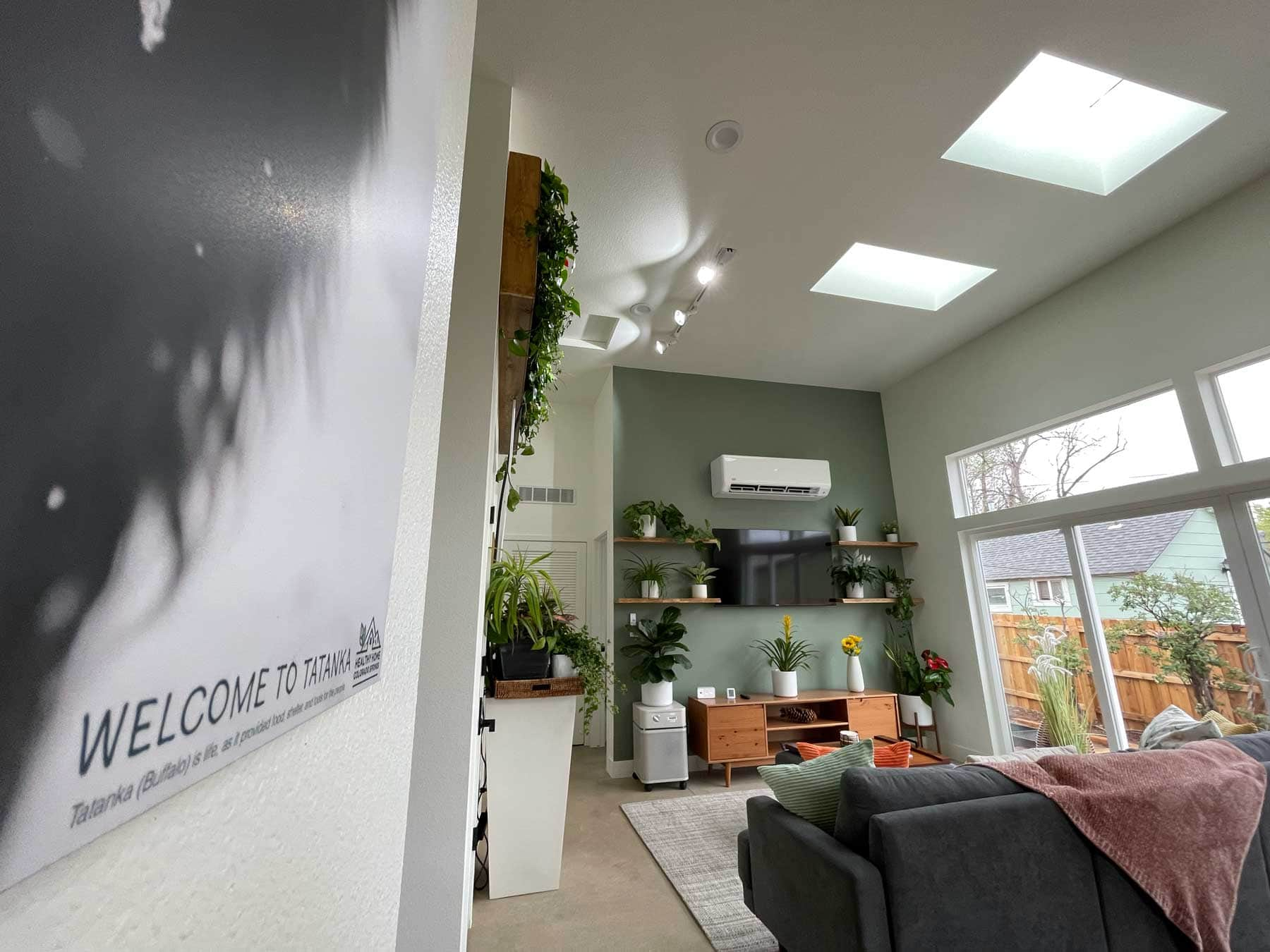
At Healthy Home Colorado Springs, this philosophy guided every stage of the design process with the goal of creating an incredible healthy home. Whether you're looking to stay in the Tatanka, San Juan, or Sawatch units, the goal is to allow guests to experience a home that is not only beautiful and energy-efficient but also designed to help families live healthier every day.
Guests at Healthy Home Colorado Springs can experience these healthy-home principles firsthand in the Tatanka, San Juan, and Sawatch accommodations

Unique Colorado Springs Vacation Rental | Tatanka Suite

San Juan Suite | Affordable 1-Bdrm Vacation Rental in COS
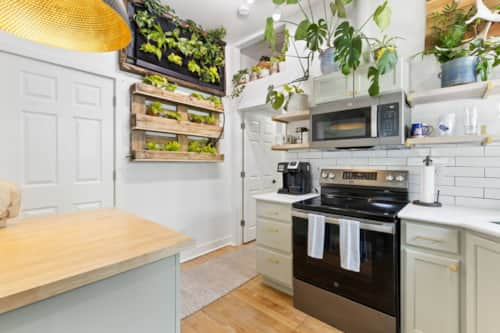
Mountain-Inspired Colorado Springs Vacation Rental | Sawatch
Why Healthy Homes Matter More Than Ever
The average American spends nearly 90% of their time indoors. Whether you're sleeping, working remotely, cooking meals, or relaxing with family, your home has a greater influence on your health than almost any other environment.
While modern homes are more energy efficient than ever before, tighter construction can also trap airborne pollutants, moisture, and chemical emissions indoors. Without proper ventilation, filtration, and moisture management, these contaminants can accumulate over time.
Common indoor pollutants include:
- Dust and dust mites
- Pet dander
- Pollen
- Mold spores
- Volatile Organic Compounds (VOCs)
- Smoke particles
- Cleaning chemicals
- Cooking emissions
- Carbon dioxide
- Fine particulate matter (PM2.5)
Many of these pollutants are invisible, making it difficult to recognize problems before they begin affecting comfort or health. The good news is that many of these exposures can be significantly reduced through intentional healthy home practices.
A healthier home can help create cleaner indoor air, improve comfort, reduce maintenance issues, and provide greater peace of mind knowing your living environment is working for you—not against you.
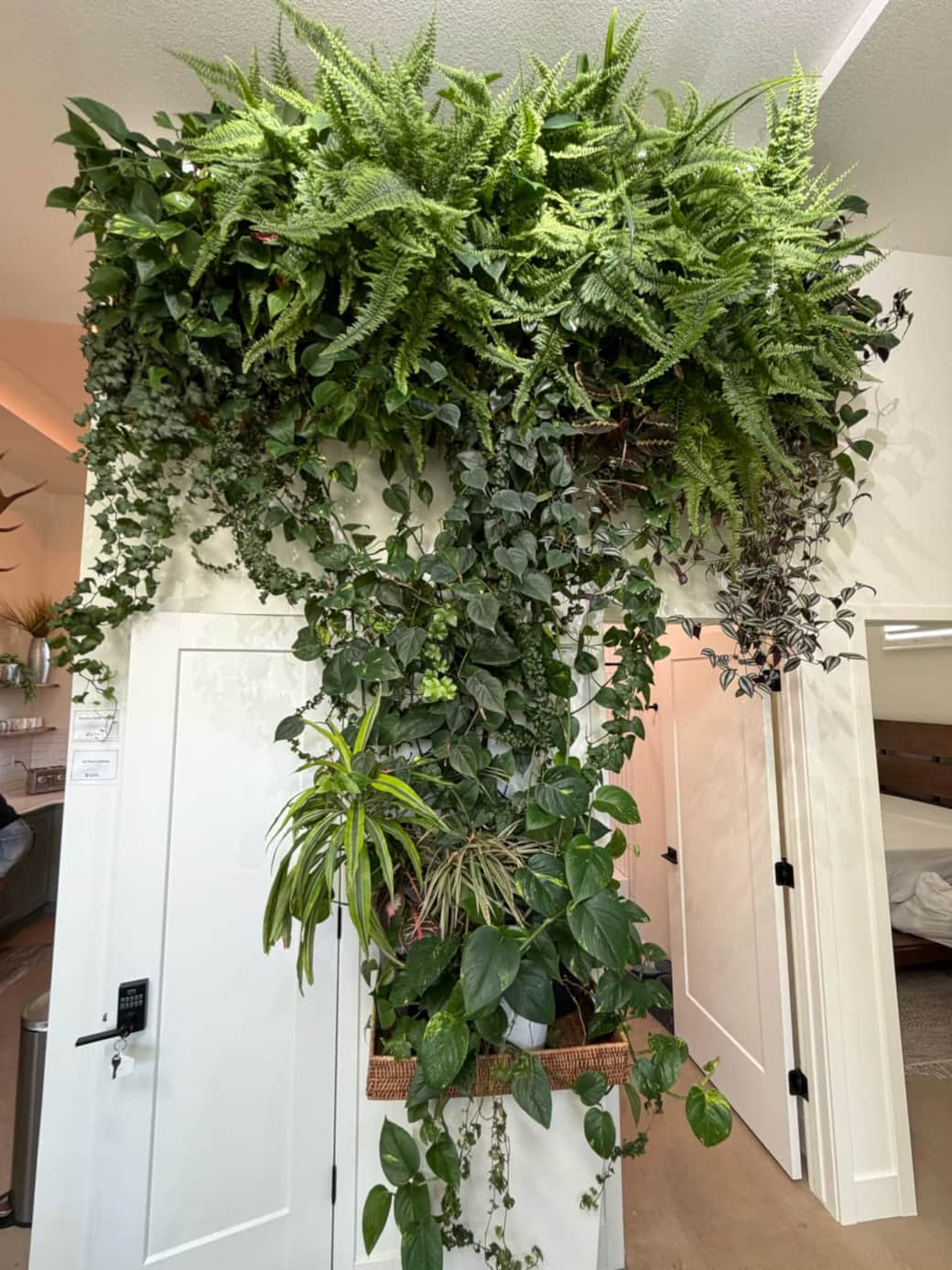
The Five Pillars of a Healthy Home
While every home is unique, the healthiest homes are built around five foundational principles:
1. Clean Air
Healthy indoor air begins with reducing pollutants, filtering airborne particles, and bringing in fresh outdoor air through proper ventilation.
2. Dry Building Materials
Moisture control is essential for preventing mold growth, protecting structural materials, and maintaining healthy indoor conditions.
3. Clean Water
Safe, clean water supports healthier drinking, cooking, bathing, and household use while reducing exposure to unwanted contaminants.
4. Healthy Materials
Low-emission building products help reduce chemical exposure while improving long-term indoor air quality.
5. Ongoing Maintenance
Routine inspections and preventative maintenance ensure healthy home systems continue performing efficiently for years to come.
Each of these pillars supports the others, creating an indoor environment designed for both wellness and durability.
Indoor Air Quality: The Foundation of a Healthy Home
Why Indoor Air Quality Is So Important
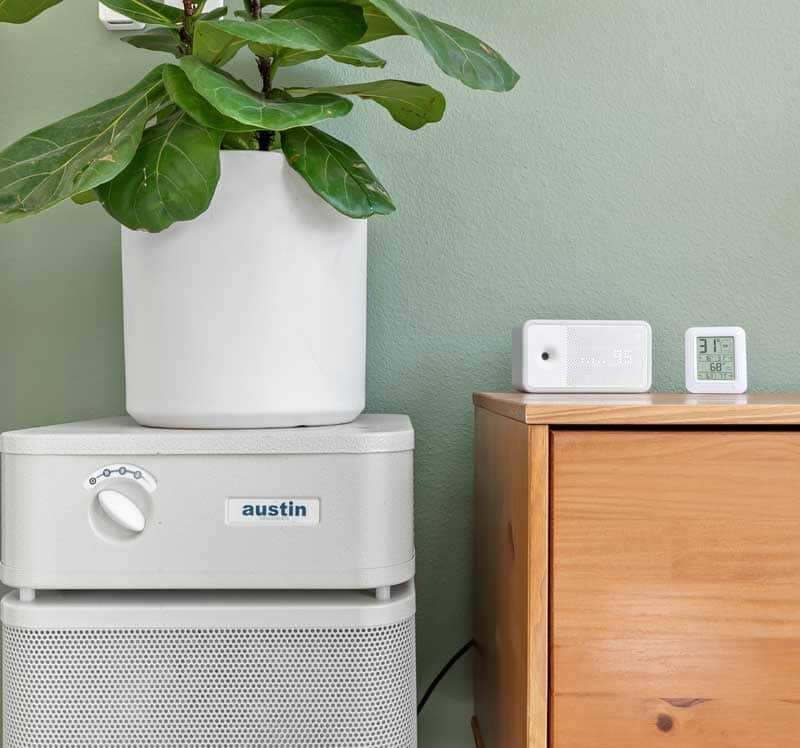
The air inside your home is one of the most significant environmental factors affecting your health. Every day, you take approximately 20,000 breaths, and each breath carries whatever is suspended in the air around you. Because most people spend the majority of their time indoors, even small improvements in indoor air quality can have a meaningful impact over time.
Unfortunately, indoor air often contains a mixture of pollutants generated by everyday living. Cooking releases grease particles and combustion byproducts. Cleaning products can emit volatile organic compounds (VOCs). Dust, pet dander, pollen, and mold spores circulate through the air, while furniture, flooring, paints, and cabinetry may off-gas chemicals for months or years after installation.
Without adequate ventilation and filtration, these pollutants can build up inside tightly sealed homes.
Signs Your Indoor Air Quality May Need Improvement
Poor indoor air quality isn't always obvious, but some common indicators include:
- Persistent dust despite regular cleaning
- Allergy symptoms that worsen indoors
- Frequent headaches or fatigue
- Musty odors
- Excess humidity or condensation
- Stale or stuffy air
- Eye, nose, or throat irritation
While these symptoms can have many causes, improving indoor air quality is often one of the most effective ways to create a healthier indoor environment.
How to Improve Indoor Air Quality
Fortunately, improving indoor air quality doesn't require major renovations. Start with practical steps that reduce pollutant levels throughout your home:
- Install a high-quality HEPA air purifier in frequently used spaces.
- Upgrade your HVAC filter to a MERV-13 filter if your system supports it.
- Replace HVAC filters regularly.
- Vacuum with a sealed HEPA vacuum cleaner.
- Dust with damp microfiber cloths instead of dry dusters.
- Remove shoes at the entry to reduce outdoor contaminants.
- Avoid synthetic air fresheners and heavily fragranced products.
- Use kitchen range hoods and bathroom exhaust fans consistently.
- Open windows when outdoor air quality is favorable.
Benefits of Cleaner Indoor Air
Improving indoor air quality offers benefits that extend well beyond respiratory health. Many homeowners report:
- Reduced allergy symptoms
- Less dust accumulation
- Better sleep quality
- Improved concentration and productivity
- Fewer odors
- Greater overall comfort
- Healthier living conditions for children, older adults, and pets
Healthy Home Colorado Springs Approach
Indoor air quality is a core consideration in every Healthy Home Colorado Springs residence. The Tatanka, San Juan, and Sawatch units are designed with modern construction practices that support cleaner indoor environments through quality ventilation strategies, efficient HVAC systems, and thoughtful home design. By focusing on healthier indoor environments from the start, Healthy Home Colorado Springs guests can enjoy greater comfort and cleaner air from the day they move in.
Moisture Control & Mold Prevention
Why Moisture Management Is Essential
If indoor air quality is the lungs of a healthy home, moisture control is its immune system.
Water is one of the most destructive forces affecting residential buildings. Even a small plumbing leak, roof issue, or improperly sealed window can introduce enough moisture to create ideal conditions for mold growth.
In many cases, mold develops behind walls, beneath flooring, inside crawl spaces, or above ceilings long before homeowners notice visible signs. That's why prevention is far more effective—and far less expensive—than remediation.
Moisture problems don't just affect buildings. Elevated humidity can increase dust mite populations, contribute to musty odors, and negatively impact overall indoor comfort. See our Blog Post on How to Prevent Mold in Your Home.
Common Sources of Moisture
Understanding where moisture comes from is the first step in preventing problems.
Common sources include:
- Roof leaks
- Plumbing leaks
- Poor drainage around foundations
- High indoor humidity
- Condensation on windows
- Inadequate bathroom ventilation
- Improperly vented clothes dryers
- Crawl spaces and basements
- Flooding or water intrusion
Routine inspections can often identify these issues before they become major concerns.
How to Prevent Mold and Moisture Problems
A healthy home prioritizes keeping building materials dry throughout the year. Key prevention strategies include:
- Maintain indoor humidity between 35% and 50%.
- Use bathroom exhaust fans during and after showers.
- Vent kitchen cooking moisture outdoors.
- Repair plumbing leaks immediately.
- Extend downspouts away from the home's foundation.
- Ensure proper grading around the property.
- Inspect roofs, flashing, and gutters regularly.
- Monitor crawl spaces and basements for signs of dampness.
- Address water damage within 24–48 hours whenever possible.
These simple habits significantly reduce the risk of long-term moisture damage. For many homes, maintaining an ideal indoor humidity range of approximately 30% to 50% can help manage moisture, although the appropriate level varies with climate, season, outdoor temperature, and building conditions.
Benefits of Effective Moisture Control
Preventing excess moisture helps protect both your home and your family's health by:
- Reducing mold risk
- Protecting structural materials
- Improving indoor air quality
- Reducing musty odors
- Increasing home durability
- Lowering maintenance costs
- Supporting greater year-round comfort
Healthy Home Colorado Springs Approach
Healthy Home Colorado Springs incorporates moisture management principles into the design of every Tatanka, San Juan, and Sawatch home. From effective site drainage and durable building envelopes to proper ventilation and quality construction practices, these homes are built to help manage moisture before it becomes a problem. This proactive approach supports healthier indoor environments while protecting the long-term performance of the home.
Building a Healthy Home Starts with the Right Foundation
Creating a healthy home isn't about purchasing a single product or following a trendy checklist. It's about understanding how your home's systems work together to support healthier living.
Indoor air quality and moisture management are two of the most important places to begin because they influence nearly every other aspect of your indoor environment. Cleaner air, proper ventilation, and effective moisture control create the foundation upon which every other healthy home improvement is built.
In the next section of this guide, we'll explore additional pillars of healthy living—including water quality, ventilation, healthy building materials, and non-toxic products—to help you create a home that supports your family's health for years to come.
Water Quality: An Essential Pillar of a Healthy Home
Why Water Quality Matters
When most people think about creating a healthy home, they immediately focus on air quality—and for good reason. But the quality of the water flowing through your home is equally important. Water is used every day for drinking, cooking, bathing, cleaning, and laundry, making it one of the most frequent environmental exposures for you and your family. One frequently asked question is: Do I need a whole-house water filter?
Depending on your location and water source, tap water may contain chlorine, chloramine, heavy metals, sediment, pesticides, PFAS ("forever chemicals"), disinfection byproducts, or naturally occurring minerals. While municipal water is treated to meet regulatory standards, those standards don't always reflect the latest research on long-term exposure or account for individual health concerns.
A healthy home takes a proactive approach by understanding what's in the water and implementing filtration solutions when needed.
Signs Your Water May Need Improvement
Although many contaminants are invisible, there are several indicators that your water quality could benefit from testing or treatment:
- Unpleasant taste or odor
- Cloudy or discolored water
- White mineral buildup on fixtures
- Dry skin after showering
- Stained sinks or toilets
- Sediment in drinking water
- Older plumbing that may contain lead
- Private well water that hasn't been tested recently
The only way to truly know what's in your water is through laboratory testing. Regular water testing helps homeowners make informed decisions about filtration and treatment options.
How to Improve Water Quality
Creating healthier water doesn't always require an extensive plumbing renovation. Many homeowners can dramatically improve their water quality with a few strategic upgrades:
- Test your drinking water regularly.
- Install a high-quality drinking water filtration system.
- Consider whole-house filtration if your water contains multiple contaminants.
- Replace filters according to manufacturer recommendations.
- Flush stagnant water after extended periods away from home.
- Maintain plumbing fixtures and appliances.
- If you have a private well, follow a regular testing schedule.
The best filtration system depends on your home's specific water chemistry, making testing the most important first step.
Benefits of Cleaner Water
Improving your home's water quality can provide numerous benefits, including:
- Better tasting drinking water
- Cleaner cooking water
- Reduced exposure to contaminants
- Improved bathing experience
- Less mineral buildup on fixtures
- Longer appliance lifespan
- Greater confidence in your home's water supply
Healthy Home Colorado Springs Approach
Every Healthy Home Colorado Springs residence—including the Tatanka, San Juan, and Sawatch units are built with modern plumbing systems designed for reliability and long-term performance. Homeowners also have the flexibility to incorporate advanced water filtration systems that meet their family's specific needs, helping create a healthier living environment from the inside out.
Ventilation: Bringing Fresh Air Into Your Home
Why Proper Ventilation Is Critical
One of the greatest misconceptions about healthy homes is that tighter homes are automatically healthier homes. While modern construction has dramatically improved energy efficiency, airtight homes require intentional ventilation to maintain healthy indoor air.
Everyday activities continuously introduce pollutants into your home. Cooking produces grease particles and combustion byproducts. Showers generate humidity. Cleaning releases chemicals into the air. Even breathing increases indoor carbon dioxide levels.
Without proper ventilation, these contaminants accumulate over time.
Ventilation removes stale indoor air while introducing fresh outdoor air, helping dilute pollutants and maintain healthier humidity levels throughout the home.
Signs Your Home May Need Better Ventilation
Common indicators include:
- Persistent stuffy air
- Condensation on windows
- Lingering cooking odors
- Excess humidity
- Musty smells
- Mold growth in bathrooms
- High indoor carbon dioxide levels
- Rooms that feel uncomfortable despite proper temperatures
How to Improve Ventilation
Healthy ventilation combines natural airflow with mechanical systems that operate consistently throughout the home.
Best practices include:
- Use bathroom exhaust fans during showers.
- Run kitchen range hoods while cooking.
- Vent clothes dryers outdoors.
- Open windows when outdoor air quality allows.
- Maintain HVAC systems regularly.
- Consider installing an Energy Recovery Ventilator (ERV) or Heat Recovery Ventilator (HRV) in tightly constructed homes.
Good ventilation doesn't mean wasting energy—it means replacing stale indoor air efficiently while maintaining comfort.
Benefits of Better Ventilation
Proper ventilation helps:
- Improve indoor air quality
- Lower indoor humidity
- Reduce odors
- Remove airborne pollutants
- Increase comfort
- Improve sleep quality
- Support healthier respiratory function
Healthy Home Colorado Springs Approach
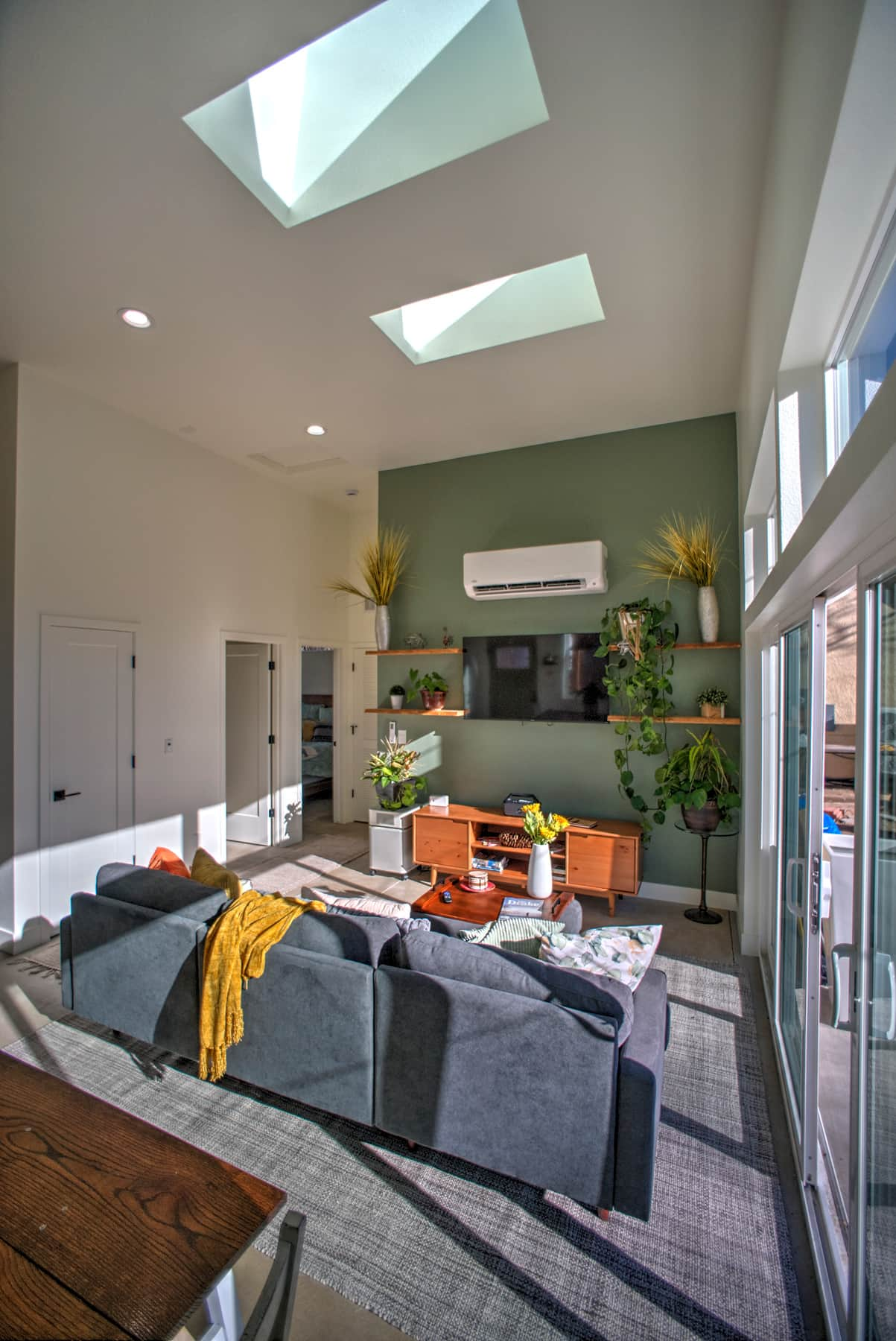
The Tatanka, San Juan, and Sawatch homes are thoughtfully designed with ventilation as a key component of healthy living. Modern HVAC systems, strategically designed airflow, and effective exhaust ventilation work together to create homes that feel fresher, more comfortable, and healthier throughout every season. Check out the Tips section of our blog for more Healthy Home tips.
Healthy Building Materials: Choosing Products That Support Wellness
Why Building Materials Matter
Every material inside your home contributes to the environment you live in.
Many traditional building materials release chemicals into the air through a process known as off-gassing. These emissions may come from paints, adhesives, flooring, cabinetry, insulation, composite wood products, furniture, and manufactured finishes.
While many products today are significantly safer than those used decades ago, choosing healthier materials remains an important part of creating a healthy home.
Common Sources of Indoor Chemical Exposure
Potential contributors include:
- Conventional paint
- Engineered wood products
- Vinyl flooring
- Adhesives
- Synthetic carpets
- Pressed wood furniture
- Certain insulation products
- Cleaning products
- Artificial fragrances
Reducing these sources whenever possible helps improve long-term indoor environmental quality.
How to Choose Healthier Materials
When building or remodeling, consider selecting:
- Low-VOC or zero-VOC paints
- Formaldehyde-free cabinetry
- Natural wood products
- Healthier flooring materials
- Low-emission insulation
- Greenguard Gold or similar certified products
- Durable materials with long service lives
Remember that healthier homes are built over time. Every renovation presents an opportunity to improve indoor environmental quality.
Benefits of Healthy Materials
Selecting healthier products can provide:
- Reduced chemical exposure
- Cleaner indoor air
- Fewer lingering odors
- Improved comfort
- Better long-term indoor environmental quality
- Greater peace of mind during renovations
- 10 Benefits of a Healthy Home
Healthy Home Colorado Springs Approach
Material selection is an important consideration throughout Healthy Home Colorado Springs. The Tatanka, San Juan, and Sawatch homes are built using quality construction practices and thoughtfully selected materials that support healthier indoor environments while delivering the durability and performance today's homeowners expect.
Non-Toxic Cleaning: Keeping Your Home Healthy Every Day
Why Cleaning Products Matter
Creating a healthy home isn't just about how it's built—it's also about how it's maintained.
Many conventional cleaning products contain harsh chemicals, synthetic fragrances, and volatile organic compounds that temporarily reduce cleanliness while introducing new pollutants into the indoor environment.
The goal of healthy cleaning is simple: remove dirt, dust, allergens, and bacteria without unnecessarily increasing chemical exposure.
Simple Habits That Make a Big Difference
Healthy cleaning starts with consistency rather than harsh chemicals.
Helpful practices include:
- Vacuum regularly using a sealed HEPA vacuum.
- Dust with microfiber cloths.
- Choose fragrance-free cleaning products.
- Remove shoes at the front door.
- Wash bedding weekly.
- Clean HVAC registers and vents.
- Wipe hard surfaces with non-toxic cleaners.
- Reduce clutter that collects dust.
These small habits help reduce allergens while improving overall indoor air quality.
Benefits of Healthy Cleaning
A healthier cleaning routine can:
- Reduce airborne dust
- Improve indoor air quality
- Lower chemical exposure
- Minimize allergens
- Improve respiratory comfort
- Create a fresher indoor environment
Healthy Home Colorado Springs Approach
Healthy Home Colorado Springs encourages homeowners to pair quality construction with healthy lifestyle habits. The Tatanka, San Juan, and Sawatch units feature durable finishes and thoughtful layouts that make routine cleaning easier, helping families maintain cleaner, healthier living spaces with less effort.
Healthy Flooring: One of the Most Overlooked Decisions
Why Flooring Plays a Bigger Role Than Most People Realize
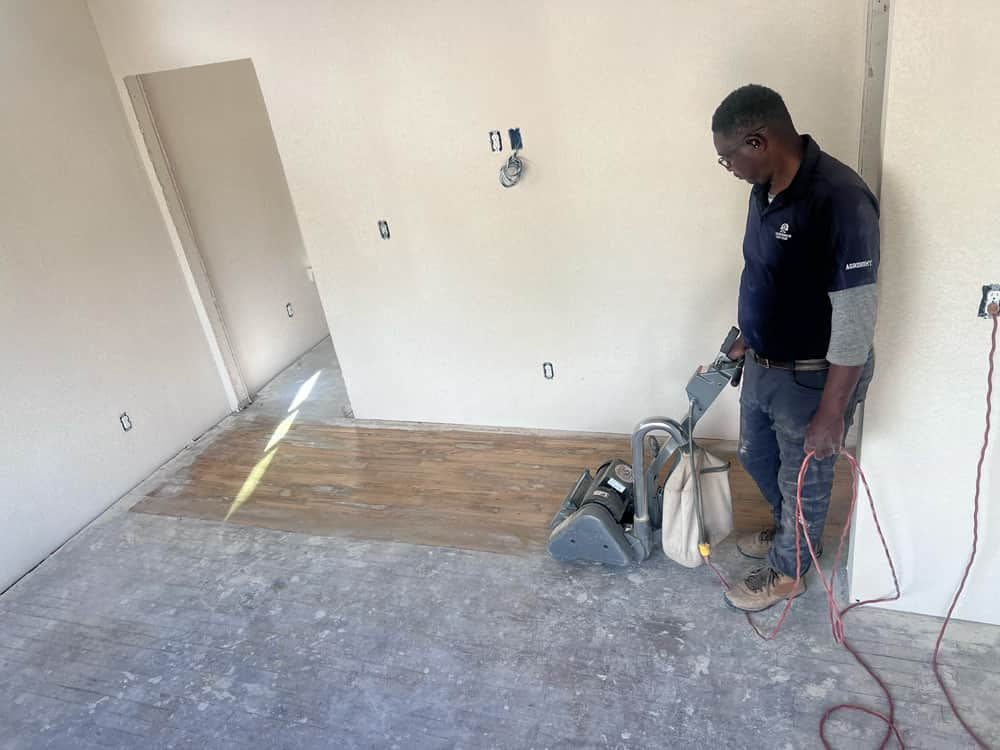
For many living spaces, thoughtfully selected wood flooring can be one of the healthiest flooring options because it is durable, easy to clean, and can be specified with low-emission finishes and installation materials.
Flooring covers one of the largest surface areas inside any home and acts as a collection point for dust, pollen, pet dander, pesticides, heavy metals, and other particles brought indoors.
Some flooring materials may also emit VOCs, trap allergens, or become damaged by excess moisture.
Choosing flooring with both health and durability in mind contributes to cleaner indoor environments and easier maintenance.
Healthier Flooring Options
While every household has different needs, many homeowners prioritize flooring that is:
- Easy to clean
- Durable
- Low (no) VOC emissions
- Resistant to moisture
- Compatible with HEPA vacuuming
- Designed for long-term performance
Hard-surface flooring is often easier to maintain than high-pile carpeting because it allows dust and allergens to be removed more effectively.
Benefits of Healthier Flooring
The right flooring can help:
- Reduce allergen buildup
- Improve indoor air quality
- Simplify cleaning
- Resist moisture damage
- Extend product lifespan
- Create a healthier indoor environment
Healthy Home Colorado Springs Approach
The Tatanka, San Juan, and Sawatch homes feature carefully selected flooring options designed to balance beauty, durability, and ease of maintenance. By choosing finishes that support healthier living and everyday practicality, Healthy Home Colorado Springs helps homeowners create spaces that are both inviting and easier to keep clean.
Every Healthy Choice Builds on the Last
A healthy home isn't created through one upgrade alone. Clean water supports better hydration and cooking. Proper ventilation keeps indoor air fresh. Healthier building materials reduce unnecessary chemical exposure. Non-toxic cleaning practices maintain the environment you've worked to create, while thoughtful flooring choices make everyday maintenance easier.
Together, these systems form the next layer of a healthier home—one designed not just for efficiency or aesthetics, but for long-term wellness. In the final section of this guide, we'll explore healthy lighting, EMFs, home maintenance, and why Healthy Home Colorado Springs is redefining what it means to build homes that truly support healthy living. 10 Pillars of a Healthy Home
Healthy Lighting and Circadian Wellness
Why Lighting Matters in a Healthy Home
Lighting influences much more than how a room looks. The timing, brightness, and color of light throughout the day help regulate the body's circadian rhythm—the internal clock that influences sleep, alertness, hormone timing, energy, and mood.
A healthy home should support bright natural light during the day and softer, warmer light in the evening. This helps reinforce the body's natural day-and-night cycle while creating spaces that feel more comfortable and restorative.
Homes with poor daylight often depend heavily on artificial lighting throughout the day. By contrast, well-designed homes can use windows, room orientation, and open layouts to bring more daylight into commonly used spaces.
How to Create Healthier Lighting
You can improve lighting quality with a few simple strategies:
- Maximize daylight during the morning and afternoon.
- Open blinds and shades during daylight hours.
- Use brighter task lighting during the day.
- Transition to warmer, dimmer lighting in the evening.
- Add dimmers in bedrooms and living areas.
- Reduce intense overhead lighting close to bedtime.
- Limit unnecessary bright screens late at night.
- Spend time outdoors during daylight hours.
The goal is not to eliminate artificial light. It is to make the home's lighting pattern better reflect the natural progression from day to night.
Benefits of Healthy Lighting
Thoughtful lighting may support:
- Better sleep routines
- Easier evening relaxation
- Improved daytime alertness
- Greater visual comfort
- A stronger connection to the outdoors
- More inviting living spaces
- Reduced daytime dependence on artificial lighting
Healthy Home Colorado Springs Approach
Natural light is an important part of the living experience at Healthy Home Colorado Springs. The Tatanka, San Juan, and Sawatch homes are designed to create bright, comfortable interiors where daylight can become part of everyday living.
Thoughtful window placement, open interior spaces, and flexible lighting options allow homeowners to create environments that feel energizing during the day and relaxing at night.
EMFs, Technology, and a Balanced Healthy Home
Understanding EMFs in the Home
Modern homes contain more technology than ever before. Wi-Fi routers, smartphones, Bluetooth devices, smart appliances, electrical wiring, televisions, and other electronics all create electromagnetic fields, commonly called EMFs.
Research into the long-term health implications of common household electromagnetic exposure continues to evolve, so a responsible healthy home strategy should avoid exaggerated claims.
At the same time, homeowners who prefer a precautionary approach can make simple choices that reduce unnecessary exposure without eliminating the benefits of modern technology.
The healthiest approach is often intentional use rather than fear or complete avoidance.
How to Reduce Unnecessary Technology Exposure
Simple strategies include:
- Position Wi-Fi routers away from beds and primary seating areas.
- Use wired Ethernet for stationary devices when practical.
- Avoid sleeping with a phone directly next to your head.
- Keep charging electronics away from pillows and beds.
- Turn off unused wireless devices.
- Minimize unnecessary electronics in bedrooms.
- Use smart-home technology selectively.
- Have electrical problems evaluated by qualified professionals.
If you have specific concerns about your home's electrical environment, testing can provide better information than assumptions. A qualified professional can assess wiring, grounding, and electromagnetic field levels where appropriate.
Benefits of More Intentional Technology Use
A more thoughtful approach to technology can help create:
- Calmer bedroom environments
- Fewer unnecessary electronics
- Better nighttime habits
- Less digital distraction
- Greater control over your indoor environment
Healthy Home Colorado Springs Approach
Healthy Home Colorado Springs supports modern living without requiring homeowners to surround themselves with unnecessary technology.
The Tatanka, San Juan, and Sawatch homes provide flexibility for homeowners to determine how much smart technology they want in their living environment while maintaining a focus on comfort, functionality, and wellness.
Healthy Home Maintenance: Prevention Is the Best Strategy
Why Maintenance Is Essential
A healthy home must remain healthy over time.
Even a well-built home can develop problems when basic maintenance is ignored. A small plumbing leak can create hidden moisture damage. A clogged HVAC filter can reduce airflow and filtration. Blocked gutters can direct water toward the foundation. A failed bathroom fan can allow humidity to accumulate repeatedly.
Healthy home maintenance is therefore less about reacting to problems and more about preventing them.
Regular inspection allows homeowners to identify small issues before they become expensive repairs or indoor environmental concerns.
Monthly Healthy Home Checklist
Each month, consider checking:
- HVAC filters
- Indoor humidity
- Plumbing beneath sinks
- Toilets and water connections
- Window condensation
- Bathroom moisture
- HVAC supply and return vents
- Air purifiers and air quality monitors
These inspections generally take very little time but can reveal developing problems early.
Seasonal Healthy Home Checklist
Every season, evaluate:
- Gutters
- Downspouts
- Roof condition
- Exterior drainage
- Foundation conditions
- Exterior caulking
- Bathroom ventilation
- Kitchen ventilation
- HVAC performance
- Basements and crawlspaces
- Attic moisture
In Colorado, seasonal inspection is particularly valuable because homes experience snow, dry conditions, intense sunlight, freeze-thaw cycles, and seasonal storms.
Annual Healthy Home Checklist
At least once a year, consider reviewing:
- HVAC system performance
- Plumbing systems
- Roofing
- Water heater
- Smoke detectors
- Carbon monoxide detectors
- Water filtration systems
- Drinking water quality
- Exterior drainage
- Foundation conditions
- Attic and crawlspace conditions
- Air purification equipment
- Ventilation systems
Benefits of Preventive Maintenance
Consistent maintenance can help:
- Prevent moisture problems
- Reduce mold risk
- Improve indoor air quality
- Extend equipment lifespan
- Maintain energy efficiency
- Reduce emergency repair costs
- Preserve property value
- Improve long-term comfort
A Complete Healthy Home Checklist
Creating a healthy home becomes easier when you view the property as one interconnected system.
A well-designed healthy home should address:
Air
- Effective HVAC filtration
- HEPA filtration where needed
- Proper ventilation
- Outdoor-vented kitchen exhaust
- Bathroom exhaust
- Reduced indoor pollutant sources
Moisture
- Controlled indoor humidity
- Proper drainage
- Leak prevention
- Roof maintenance
- Dry basements and crawlspaces
- Rapid response to water damage
Water
- Appropriate water testing
- Drinking water filtration where needed
- Proper plumbing maintenance
- Regular filter replacement
Materials
- Low-emission paints
- Low-emission flooring
- Thoughtfully selected cabinetry
- Durable building products
- Reduced unnecessary chemical exposure
Cleaning
- Fragrance-free cleaning products
- HEPA vacuuming
- Damp dusting
- Shoe removal
- Routine surface cleaning
Lighting
- Natural daylight
- Warmer evening lighting
- Bedroom light control
- Appropriate task lighting
Maintenance
- HVAC filter replacement
- Plumbing inspections
- Roof inspections
- Gutter maintenance
- Humidity monitoring
- Seasonal home inspections
You do not need to address every item at once. Healthy homes are often created gradually through a series of well-prioritized improvements.
What Should You Upgrade First?
When homeowners begin exploring healthy home improvements, it can be difficult to know where to start.
The best approach is generally to prioritize risks rather than aesthetics.
1. Stop Active Moisture Problems
If you have a roof leak, plumbing leak, wet basement, persistent condensation, or suspected mold growth, address the moisture source first.
Moisture problems can damage the building and negatively affect indoor air quality.
2. Improve Indoor Air Quality
Once the home is dry, focus on filtration and pollutant reduction.
Upgrade HVAC filtration where appropriate, consider portable HEPA filtration, and reduce sources of smoke, fragrance, and airborne contaminants.
3. Improve Ventilation
Make sure kitchens, bathrooms, and other moisture-producing spaces are ventilated properly.
Tightly built homes may benefit from dedicated fresh-air ventilation systems.
4. Test Your Water
Instead of purchasing a filtration system based on marketing claims, test your water first.
The results can help determine whether you need sediment filtration, activated carbon, reverse osmosis, water softening, or another treatment strategy.
5. Reduce Chemical Sources
Replace high-fragrance cleaning products and choose lower-emission paints, flooring, cabinetry, and furnishings as future upgrades become necessary.
6. Build a Maintenance Routine
A healthy home is much easier to maintain when inspection and maintenance become part of your regular schedule.
Healthy Home Colorado Springs: Experience a Healthy Home in Colorado Springs
Most homes are designed around appearance, square footage, energy efficiency, and resale value.
Those things matter.
But the environment inside the home also matters.
Healthy Home Colorado Springs approaches residential living through a broader lens by considering how the home's systems and materials influence everyday comfort, wellness, and long-term performance.
The objective is not to create a home filled with complicated health technology but rather to create an environment where healthy choices are built into the way the home functions so guests can have a true health and wellness experience.
That means thinking about:
- Indoor air quality
- Moisture management
- Ventilation
- Water
- Material selection
- Lighting
- Comfort
- Energy performance
- Cleanability
- Long-term maintenance
When these elements work together, the result is a home designed to support both the people living inside it and the building itself.
Book Your Stay Today
Unique Colorado Springs Vacation Rental | Tatanka Suite
San Juan Suite | Affordable 1-Bdrm Vacation Rental in COS
Mountain-Inspired Colorado Springs Vacation Rental | Sawatch
The Tatanka Healthy Home
The Tatanka offers spacious living within the broader Healthy Home Colorado Springs philosophy.
Families need homes that support many different activities—sleeping, working, cooking, entertaining, relaxing, and spending time together.
A healthy floor plan should make those activities comfortable while supporting good airflow, daylight, cleanability, and everyday functionality.
The Tatanka creates an opportunity to combine generous living space with a healthy-home mindset centered on comfort, durability, thoughtful design, and long-term wellness.
Rather than viewing health as an optional feature added later, the goal is to create a living environment where healthy decisions become part of daily life.
The San Juan Healthy Home
The San Juan emphasizes practical, comfortable living while maintaining the principles behind the Healthy Home Colorado Springs approach.
Healthy homes should be easy to live in and easy to maintain.
Good design can help simplify cleaning, improve natural light, create comfortable living spaces, support airflow, and make routine maintenance more manageable.
The San Juan provides homeowners with a flexible environment where healthy living can become part of the everyday experience rather than another task to manage.
The Sawatch Healthy Home
The Sawatch offers another way to experience the Healthy Home Colorado Springs philosophy.
Its design provides homeowners with the opportunity to create a comfortable indoor environment shaped by healthy building principles and thoughtful lifestyle choices.
From indoor air quality and moisture management to lighting, material selection, and maintenance, the Sawatch is designed around the idea that a home should do more than simply provide shelter.
It should create an environment where people can live comfortably, recover, recharge, and enjoy everyday life.
Why Building a Healthy Home From the Beginning Matters
Improving an existing home can produce meaningful health and comfort benefits, but retrofitting can sometimes be complicated.
Adding fresh-air ventilation may require new ductwork.
Correcting foundation drainage may require excavation.
Replacing high-emission flooring may mean removing materials that were recently installed.
Hidden moisture problems may require remediation before rebuilding can begin.
New construction provides an opportunity to consider these systems before problems develop.
Healthy design decisions can be incorporated during planning rather than addressed years later.
That can include:
- Better moisture management
- Improved ventilation
- Thoughtful HVAC design
- Better material selection
- Appropriate filtration
- Daylight planning
- Water treatment options
- Durable finishes
- Easier maintenance
A prevention-first approach often produces a home that performs better throughout its life.
Frequently Asked Questions About Healthy Homes
What Is a Healthy Home?
A healthy home is a residence designed and maintained to reduce unnecessary environmental exposures while supporting clean air, clean water, moisture control, good ventilation, healthy materials, comfort, and long-term building performance.
A healthy home is not defined by one product. It is the result of multiple systems working together.
How Do I Make My Home Healthier?
Begin with moisture, air, ventilation, and water.
Repair leaks, control humidity, improve filtration, use kitchen and bathroom exhaust fans, test your drinking water, reduce fragranced products, and establish a regular home maintenance schedule.
From there, make healthier material choices whenever you renovate or replace products.
What Is the Most Important Healthy Home Upgrade?
If there are no active moisture or mold problems, improving indoor air quality is often one of the highest-impact upgrades.
Better filtration, pollutant source control, and proper ventilation can reduce many common indoor contaminants.
However, active water damage and moisture problems should always be corrected before relying on air purification.
What Is the Best Indoor Humidity Level?
A relative humidity range of approximately 35% to 50% works well for many homes, although ideal levels vary based on climate, season, and building characteristics.
The primary goal is to prevent prolonged elevated humidity that could contribute to mold growth, condensation, or dust mite activity.
How Do I Prevent Mold?
Prevent moisture.
Repair leaks immediately, maintain exterior drainage, manage indoor humidity, use exhaust fans, inspect moisture-prone areas, and dry wet materials quickly.
Mold prevention is primarily a moisture-management problem.
Are HEPA Air Purifiers Worth It?
A properly sized HEPA air purifier can significantly reduce airborne particulate matter such as dust, pollen, pet dander, and mold spores.
HEPA filtration is most effective when combined with good cleaning, source control, HVAC filtration, and proper ventilation.
Does HEPA Remove VOCs?
HEPA filters primarily remove particles and do not effectively remove most gases.
Reducing VOCs usually requires source control, ventilation, and an air purifier containing an appropriate amount of activated carbon or other adsorbent media.
What Are VOCs?
Volatile organic compounds are gases emitted from certain paints, adhesives, flooring, furniture, cleaning products, fragrances, and other materials.
Reducing high-emission products and increasing appropriate ventilation can help lower VOC concentrations indoors.
What Are the Healthiest Building Materials?
There is no single healthiest material for every application.
Look for durable, moisture-resistant, low-emission materials with transparent ingredient information. Low-VOC finishes and independently tested low-emission products can help improve indoor environmental quality.
What Flooring Is Best for a Healthy Home?
Low-emission hard-surface flooring is often a practical option because it is easy to clean and generally holds less dust and allergen material than high-pile carpeting.
The best flooring also depends on moisture conditions, durability, installation adhesives, and household preferences.
Are Whole-House Water Filters Worth It?
They can be, but filtration should be based on your actual water.
Test first.
Whole-house filtration is useful when contaminants affect water throughout the property, while drinking-water filtration may be sufficient when concerns are limited to consumption.
How Important Is Kitchen Ventilation?
Very important.
Cooking can release moisture, odors, gases, and fine particulate matter. A properly sized range hood that exhausts outdoors can substantially reduce pollutants generated during cooking.
Do I Need an ERV or HRV?
Some tightly built homes benefit significantly from balanced mechanical ventilation through an ERV or HRV.
Whether one is appropriate depends on climate, building tightness, HVAC design, occupancy, and ventilation needs.
Are Natural Cleaning Products Always Better?
No.
"Natural" does not automatically mean safer or healthier. Look for products with transparent ingredients, low emissions, and minimal fragrance rather than relying only on marketing terminology.
How Often Should HVAC Filters Be Replaced?
Replacement frequency depends on the filter, HVAC system, pets, outdoor conditions, and household activity.
Inspect the filter regularly and replace it before excessive loading begins to restrict airflow.
Do Houseplants Clean Indoor Air?
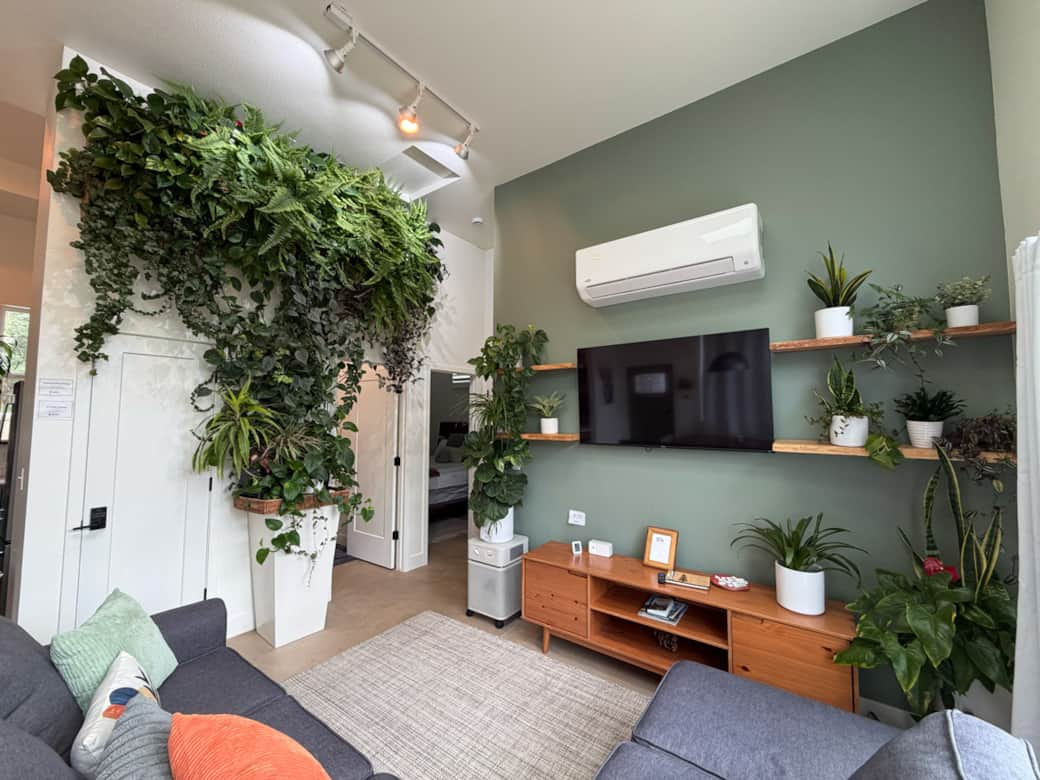
Plants can improve aesthetics, mood, and connection with nature, but normal numbers of household plants should not replace ventilation or mechanical filtration.
Use plants as a wellness feature rather than as your primary air-purification strategy.
Is It Expensive to Create a Healthy Home?
Not necessarily.
Many of the most important healthy home strategies—using exhaust fans, controlling humidity, removing shoes, reducing fragrances, replacing HVAC filters, and checking for leaks—are inexpensive.
More advanced improvements can be phased in over time.
Can an Existing Home Become a Healthy Home?
Absolutely.
Start with an assessment of moisture, ventilation, air quality, water, HVAC performance, and building materials. Prioritize the most significant problems first and make improvements gradually.
Is It Hard to Make Healthy Choices for Your Home?
No.
Healthy living does not require perfection. Focus first on a few high-impact areas and improve the home systematically over time.
Every improvement to air, water, moisture management, materials, or maintenance contributes to a healthier indoor environment.
What Are the Best Tips to Start Making My Home Healthy?
Keep the home dry, improve filtration, use exhaust fans, monitor humidity, test your water, reduce artificial fragrances, vacuum with HEPA filtration, and inspect your home regularly for leaks and moisture.
These steps provide a strong foundation for most healthy home plans.
A Healthy Home Is More Than a Collection of Products
One of the biggest mistakes in healthy home design is believing that buying enough products will solve every indoor environmental problem.
They won't.
An air purifier cannot fix a leaking roof.
A water filter cannot solve poor ventilation.
Low-VOC paint cannot correct hidden moisture damage.
An expensive HVAC system cannot maintain healthy indoor air when filters are neglected.
Healthy homes work because the systems work together.
The strongest strategy follows three principles.
Prevention First
Prevent moisture intrusion.
Reduce pollutant sources.
Choose healthier materials.
Design ventilation correctly.
Make the building easy to maintain.
Assessment Second
Measure what matters.
Monitor humidity.
Test water when appropriate.
Inspect for moisture.
Use air quality monitors where useful.
Evaluate building problems based on evidence rather than assumptions.
Remediation Third
If a problem exists, correct the underlying source.
Do not simply cover stains, mask odors, spray mold, or add an air purifier while allowing the original moisture or pollution source to continue.
A healthy home addresses causes rather than symptoms.
Build a Home That Supports Your Health
Your home influences your environment every day.
It determines much of the air you breathe, the water you use, the materials you touch, the light you experience, and the conditions in which you sleep and recover.
That makes healthy home design one of the most practical forms of long-term wellness.
You do not need a perfect home.
You need a home designed around better priorities.
Clean air.
Clean water.
Dry building materials.
Effective ventilation.
Thoughtful material selection.
Healthy lighting.
Comfort.
Preventive maintenance.
Every improvement strengthens the environment around you.
And when those principles are considered from the beginning, healthy living becomes easier.
Healthy Home Colorado Springs brings that philosophy into the Tatanka, San Juan, and Sawatch residences, creating homes designed around the connection between building performance, comfort, and everyday wellness.
A home should do more than provide a place to live.
It should create an environment that helps you live well. Top 10 Benefits of Living in a Healthy Home
Discover Healthy Home Colorado Springs
Explore the Tatanka, San Juan, and Sawatch homes and discover what it means to live in a home designed with healthier living in mind.
Compare units, explore healthy home features, and learn how thoughtful design, building science, indoor air quality, moisture management, and wellness-focused choices can create a more comfortable place to call home.
Explore Healthy Home Colorado Springs and take the next step toward a healthier way of living.