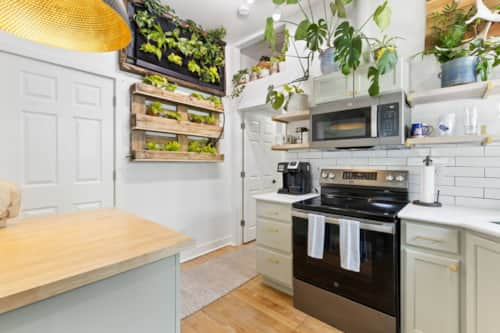
🌿 Healthy Home Colorado Springs: Living Design Made Simple
A Friendly Field Guide to Building Places that Heal People and the Planet
(Inspired by the Living Building Challenge, Zero Energy + Carbon Standards, and Living Community Patterns)
🧭 WHY THIS GUIDE EXISTS
Sustainability shouldn’t feel like homework.
This guide takes world-class regenerative design systems and translates them into simple steps you can actually do — from choosing healthier paint to designing entire neighborhoods that make people feel good.
Our goal is simple:
Create homes and communities that give back more than they take.
🏡 THE 7 FOUNDATIONS OF A “HEALTHY HOME”
These seven pillars come from the Living Building Challenge (LBC 4.0), but we’ve rewritten them in plain English — each with simple actions you can take right now.
| Foundation | What It Means (Plain English) | Simple Actions You Can Take |
|---|---|---|
| 1. Place | Build where nature already works. | Choose sites that already have sun, trees, and life. Protect existing soil and plants. Plant native species. Make walking easier than driving. |
| 2. Water | Treat water like gold. | Collect rainwater. Use low-flow fixtures. Reuse graywater for landscaping. Filter drinking water. |
| 3. Energy | Create your own clean energy. | Add solar panels sized to power 100% of your home. Design for sunlight, shade, and insulation. Ditch fossil fuels — use electric heat pumps and induction stoves. |
| 4. Health + Happiness | Make every room feel good to be in. | Use natural light and fresh air. Avoid chemical smells. Add plants and views of nature. Let people open windows. |
| 5. Materials | Build with ingredients you’d want in your own lungs. | Avoid PVC, formaldehyde, and flame retardants. Pick products with a Declare Label (“nutrition label for materials”). Use real wood, cork, stone, and natural finishes. |
| 6. Equity | Design for everyone. | Make entrances step-free. Add ramps and clear paths. Support local makers and trades. Use fair-wage suppliers. |
| 7. Beauty | Create places people love. | Add art, color, story, and craftsmanship. Use natural light and materials that age gracefully. Celebrate local culture and landscape. |
⚡ SIMPLE ENERGY GAME PLAN
(Adapted from ILFI’s Zero Energy + Zero Carbon Standards)
The Goal:
Use less energy, make your own power, and stop burning fossil fuels.
| Step | Action | Why It Matters |
|---|---|---|
| 1 | Design to need less – insulate well, seal air leaks, and orient windows for sun. | Efficiency is cheaper than solar panels. |
| 2 | Go all-electric – use a heat pump for heating, cooling, and hot water. | No gas = cleaner indoor air + safer climate. |
| 3 | Add solar panels sized for 100% of your energy use. | Achieve “net zero energy” — you make as much as you use. |
| 4 | Track your use – install an energy monitor. | Small changes (like turning off “vampire” devices) save big over time. |
| 5 | Battery or backup plan – use battery storage for resilience. | Keeps your home running during outages. |
💧 WATER SIMPLIFIED
(From LBC “Net Positive Water” and real-world projects like the Bullitt Center)
| Step | Simple Practice | Example |
|---|---|---|
| 1 | Harvest rainwater. | Cisterns or rain barrels off your roof. |
| 2 | Use less. | Efficient toilets, showerheads, and faucets. |
| 3 | Reuse graywater. | Send shower and sink water to irrigate gardens. |
| 4 | Filter naturally. | Use sand filters or constructed wetlands for reuse. |
| 5 | Inspire others. | Display your water system – make it part of the story. |
🌱 MATERIALS MADE EASY
(From LBC Red List, Declare + Living Product Challenge)
Think of materials like food — what’s in them matters.
| Rule of Thumb | Example | Quick Win |
|---|---|---|
| Choose “Declare” products | Products with a Declare label tell you all ingredients and if they’re safe. | Search declare.living-future.org before you buy flooring, paint, or insulation. |
| Avoid the “Dirty Dozen” | PVC, formaldehyde, phthalates, flame retardants, VOCs, PFAS, fiberglass, MDF, vinyl flooring, carpet adhesives. | Pick natural alternatives (cork, bamboo, linoleum). |
| Support Living Products | These actually give back to the planet. | Ask suppliers if they have Living Product Challenge (LPC) certification. |
| Source locally | Fewer miles = less carbon. | Use regional stone, timber, and trades. |
🌿 HEALTH + HAPPINESS (BIOPHILIC BASICS)
(From ILFI’s Biophilic Design Guide + Interface’s Creating Positive Spaces)
You don’t need a forest — just follow these 5 micro-strategies:
-
See nature – windows with mountain or sky views.
-
Feel nature – natural materials you can touch (wood, stone, wool).
-
Hear nature – use soft water sounds or birdsong instead of mechanical hums.
-
Smell nature – fresh air, no synthetic scents.
-
Move like nature – light that changes through the day, breezes from operable windows.
Bonus: even small patterns (like wavy tiles or leaf-like textures) boost wellbeing.
🏙 COMMUNITY-SCALE DESIGN
(From the Living Community Challenge Patterns)
| Pattern | Easy-to-Visualize Example |
|---|---|
| Urban Rewilding | Native gardens, pollinator corridors, daylighted creeks. |
| Blue-Green Streets | Streets with trees, bioswales, bike paths, and slow traffic. |
| Street-to-Table | Edible medians, fruit trees, and community gardens. |
| Grower/Maker Spaces | Shared workshops for makers, repairers, and artists. |
| Mobility in the Middle | Prioritize walking, biking, and small electric vehicles. |
| Roof as Resource | Green roofs that host solar panels and gardens. |
🌎 ZERO CARBON, ZERO STRESS
(From ILFI’s Zero Carbon framework)
Think two things:
👉 What materials you buy
👉 How you power your space
Your “Zero Carbon” Checklist:
-
Reuse what exists before building new.
-
Choose materials with low embodied carbon (check Environmental Product Declarations).
-
Electrify everything — no fossil fuel hookups.
-
Power all electricity with renewables (on-site or community solar).
-
Offset any leftover emissions through local reforestation or verified carbon projects.
🪴 MAKING IT LOCAL
You don’t need to certify to make an impact.
Start small, measure success, and grow:
| Level | Description | Example |
|---|---|---|
| Healthy Home | Focus on air, light, and materials. | One home with Declare products and solar. |
| Healthy Block | Add shared green space and gardens. | A cluster of homes sharing solar + gardens. |
| Healthy Community | Connect people, mobility, and ecology. | A neighborhood with walkable streets and Blue-Green corridors. |
🧰 YOUR TOOLBOX
| Need | Tool |
|---|---|
| Find safe materials | declare.living-future.org |
| Measure embodied carbon | carbonleadershipforum.org |
| Estimate solar generation | pvwatts.nrel.gov |
| Learn more about ILFI standards | living-future.org |
💬 FINAL WORD
This isn’t about chasing certifications — it’s about creating places that make people healthier, happier, and more connected to the planet.
Booking inquiry
Looking for a place to stay?
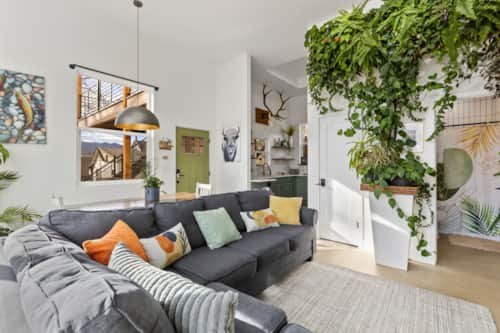
Unique Colorado Springs Vacation Rental | Tatanka Suite
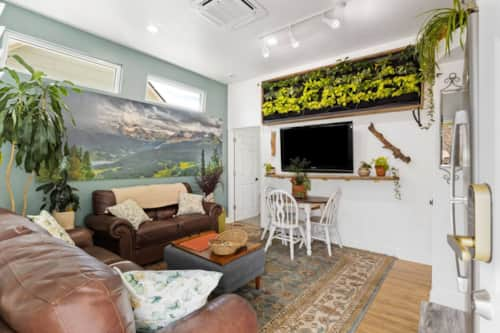
San Juan Suite | Affordable 1-Bdrm Vacation Rental in COS